Welcome to GeekyHub.
- GeekyHub is a place to share my thoughts, opinion and Experiences on Technologies.
Welcome to GeekyHub.
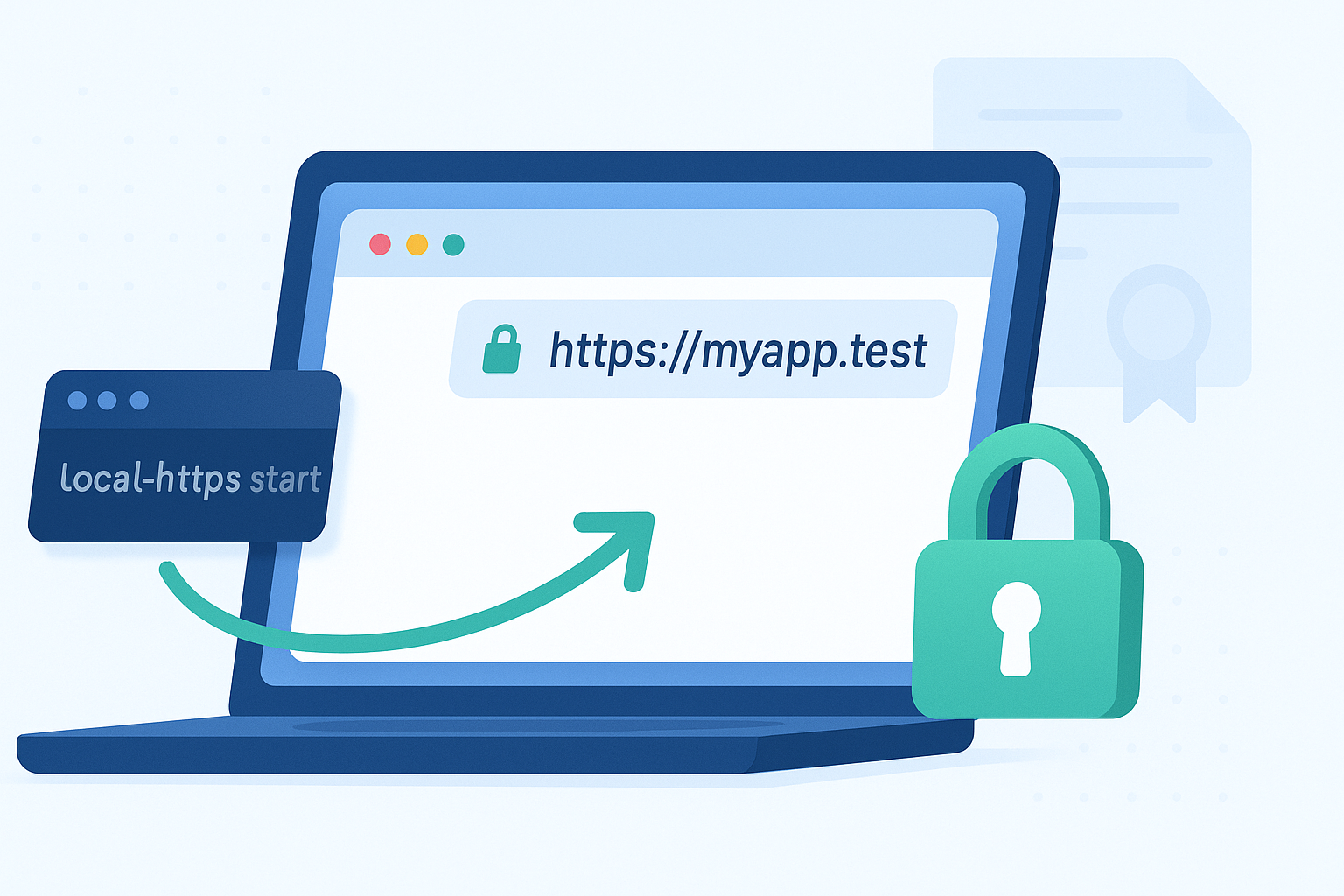
Modern browsers expect HTTPS. Cookies with Secure, OAuth callbacks, Service Workers, HTTP/2, and many APIs either require or work better with HTTPS. I created local-https, a simple tool to run any local project on HTTPS with a custom local domain. No browser hacks No changing your app’s code Works on macOS and Linux GitHub: https://github.com/vikas-0/local-https What is local-https? local-https is a small Ruby CLI that: Generates trusted local TLS certificates with mkcert Maps your domain to 127.0.0.1 in /etc/hosts Runs an HTTPS reverse proxy (WEBrick) that forwards to your local app Supports multiple domains via SNI Optionally redirects HTTP (port 80) to HTTPS (port 443) You get a local URL like https://myapp.test that points to your app on localhost:3000. ...
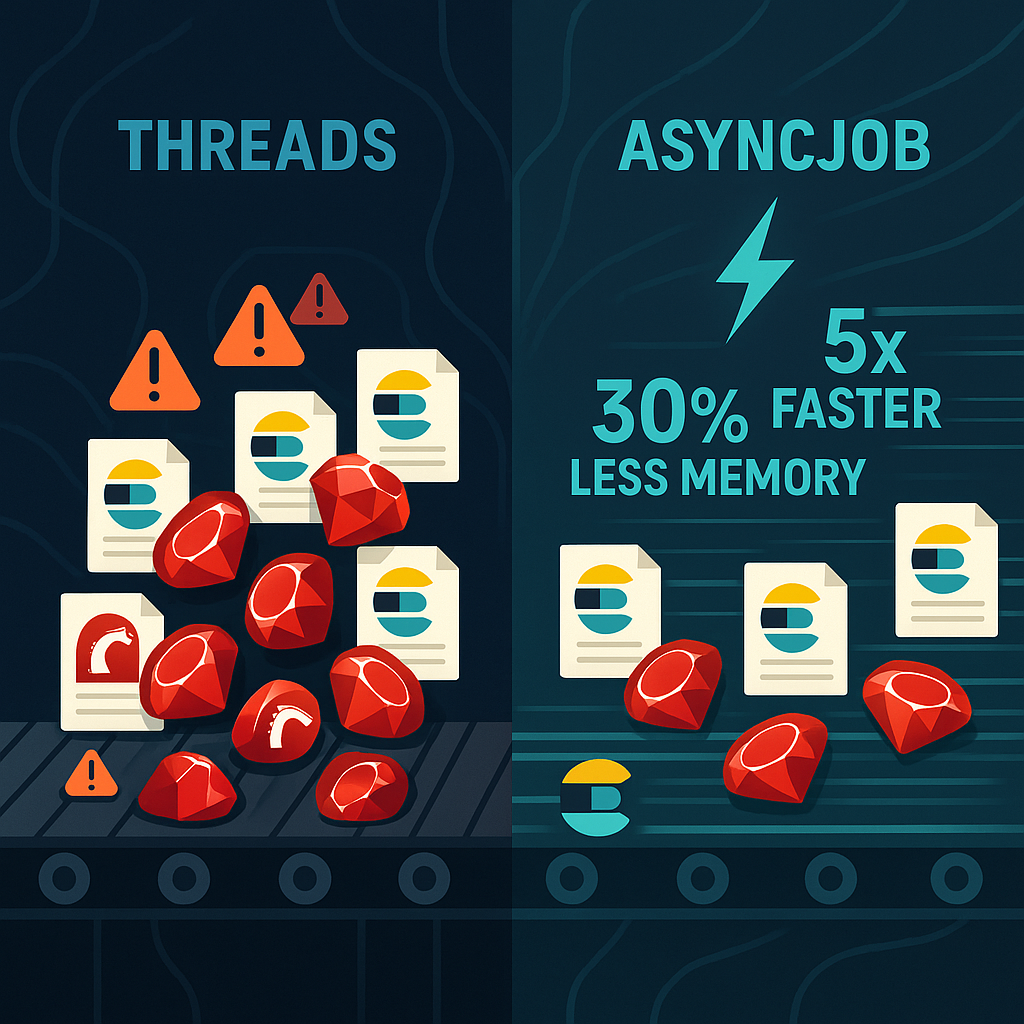
The Elasticsearch Scaling Nightmare Picture this: Your Rails application is humming along nicely until suddenly, user growth explodes. Great news, right? Not for our job queue. In a previous application I worked on, we faced significant challenges scaling ActiveJobs, primarily due to numerous Elasticsearch indexing and other I/O-bound tasks. As our user base grew, thousands of small jobs overwhelmed our queue, creating a perfect storm of bottlenecks despite our best efforts at dynamic worker scaling. ...

In this post, we’ll walk through setting up Tiptap’s collaboration feature with Rails Action Cable and ReactJS. Tiptap is a powerful headless editor built on ProseMirror, and when combined with Y.js, it allows for real-time collaborative editing. We’ll use the Mantine component library, but it isn’t mandatory for this setup. If you prefer to dive directly into the code, check out the example on GitHub. Prerequisites Ensure you have the following installed: ...

If your development environment is on a remote server, you might need to code on the remote machine itself to see the effects of your changes in real time. This scenario is fairly common these days as applications become more complex, and setting up a local development environment requires extensive configuration or mocking of the resources used in the app. In this case, you are left with very few options for code editors. Either you have to use CLI-based editors such as Vim, or you can use VSCode with the Remote SSH extension. Even with the extension, there are some issues related to code analysis and code completion. These processes have to happen on the remote machine, making your powerful local PC underutilized. And if you want to use Zed or Xcode, you are out of luck. ...
I often see Node.js Lambda projects built using Serverless and including serverless-webpack. It is used to implement Babel and provide the latest JavaScript syntax, especially modules and top-level await. But according to this blog post, the AWS Lambda environment already supports these features, so we should no longer need to use serverless-webpack. I face several drawbacks when using webpack with Serverless: Code is transpiled (and optionally minified), making it challenging to debug from logs because line numbers and function names may differ from those in your development environment. Using ESM-only modules, such as node-fetch and D3, is not straightforward, and the list of ESM-only modules is growing daily. There could also be a performance impact because the code is converted to CommonJS. This benchmark test shows that CommonJS could perform 43% worse than ESM. There are other benefits to Babel and webpack besides transpiling to CommonJS, but these mostly cater to browsers rather than server-side usage. ...